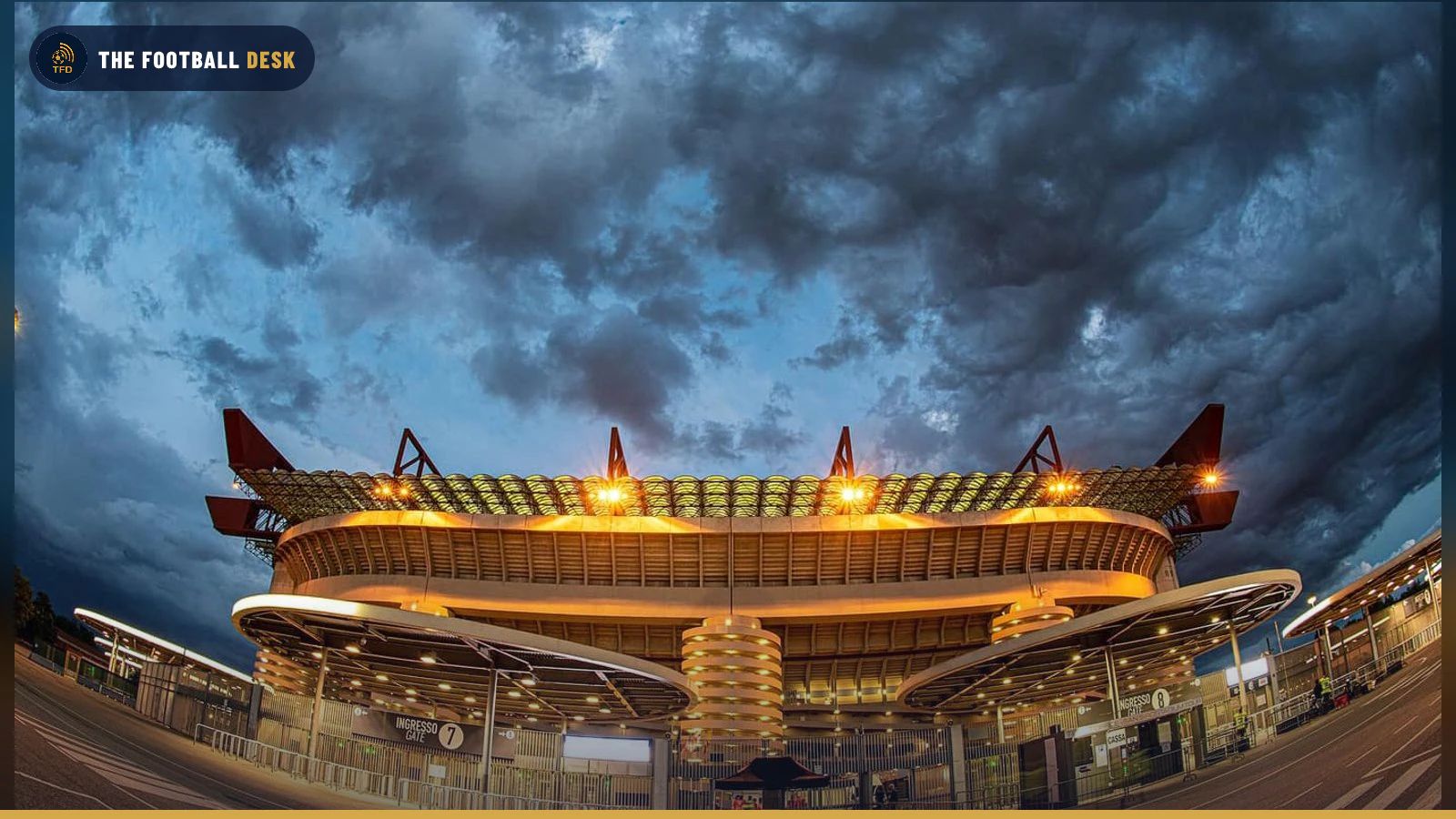

Ask a casual fan to describe Italian football and you will probably hear one word: catenaccio. The idea that Italian teams are defensive, cautious and cynical has survived for sixty years.
It is also badly out of date. Italian football has gone through at least three tactical revolutions since catenaccio’s heyday, and some of the most influential ideas in the modern game came from Italian coaches. Here is a short history of how the country’s football has evolved, and why it still matters today.
Catenaccio and the Grande Inter
The word catenaccio means “door bolt”, and the system it describes was built around a free defender, the libero or sweeper, who played behind a line of man-markers. His job was to clean up anything that got past them.
The system’s most famous practitioner was Helenio Herrera, who coached Inter in the 1960s. His “Grande Inter” won consecutive European Cups in 1964 and 1965, according to UEFA’s history of that team. They were organised, tight at the back and dangerous on the counter-attack.
What gets forgotten is that Herrera’s Inter were not purely defensive. One of their most important players was Giacinto Facchetti, a left-back who regularly charged forward and scored goals. In some ways he was a forerunner of the attacking full-back that became standard decades later.
Catenaccio worked because it was hard to break down and because it allowed teams to score on the break. But it also gave Italian football a reputation that would stick for generations.
Sacchi’s revolution
The biggest break with the past came at the end of the 1980s. Arrigo Sacchi, a coach who had never played professional football, took charge of AC Milan and threw out the man-marking system.
Sacchi used a 4-4-2 with zonal marking, which meant his defenders protected areas of the pitch rather than following individual opponents. He pushed his defensive line very high and asked his whole team to press the opposition as a compact unit. His Milan won back-to-back European Cups in 1989 and 1990, as UEFA recounts.
It is hard to overstate how influential this was. The compact, pressing team that Sacchi built is the ancestor of the pressing styles that dominate football today, including the German gegenpressing that took over the Bundesliga and later the Premier League. Many of the best modern coaches cite Sacchi as an influence.
The age of the back three and tactical flexibility
In the decades after Sacchi, Italian football became known not for one system but for tactical sophistication. Coaches such as Marcello Lippi, Carlo Ancelotti and Antonio Conte won with a range of formations, and Italian teams became famous for changing shape during a match.
Conte, in particular, made the back three fashionable again. His Juventus teams of the early 2010s and his Chelsea title winners of 2016/17 used three central defenders and attacking wing-backs. The system spread across Europe, and it remains common in Serie A today. Inter won the 2025/26 title with wing-backs at the centre of their attack, with Federico Dimarco providing 17 assists.
Gasperini’s man-to-man chaos
The most interesting Italian coach of recent years, though, has been Gian Piero Gasperini. At Atalanta, a club from a city of around 120,000 people in Lombardy, he built a team that played a style unlike anyone else’s.
Gasperini’s Atalanta used man-to-man marking across the whole pitch. Each player was responsible for a specific opponent, and they followed that opponent almost everywhere. It is physically exhausting and risky, because if one player loses his duel, there is often nobody covering behind. But when it works, it completely disrupts the opponent’s build-up play.
In a strange way, this was a return to Italy’s man-marking roots, but turned upside down. Herrera used man-marking to defend deep. Gasperini used it to press high and win the ball close to the opponent’s goal.
The approach brought Atalanta their greatest night. On 22 May 2024 in Dublin, they beat Bayer Leverkusen 3-0 in the Europa League final, with Ademola Lookman scoring a hat-trick. According to UEFA’s match report, it was Atalanta’s first major European trophy, and it ended Leverkusen’s 51-match unbeaten run. Leverkusen had just won the Bundesliga without losing a game.
What ties it all together
Looking at this history, a pattern emerges. Italian football has never been about one style. It has been about the belief that tactics can make up for differences in talent and money. Herrera’s Inter, Sacchi’s Milan and Gasperini’s Atalanta all won by being better organised than richer opponents.
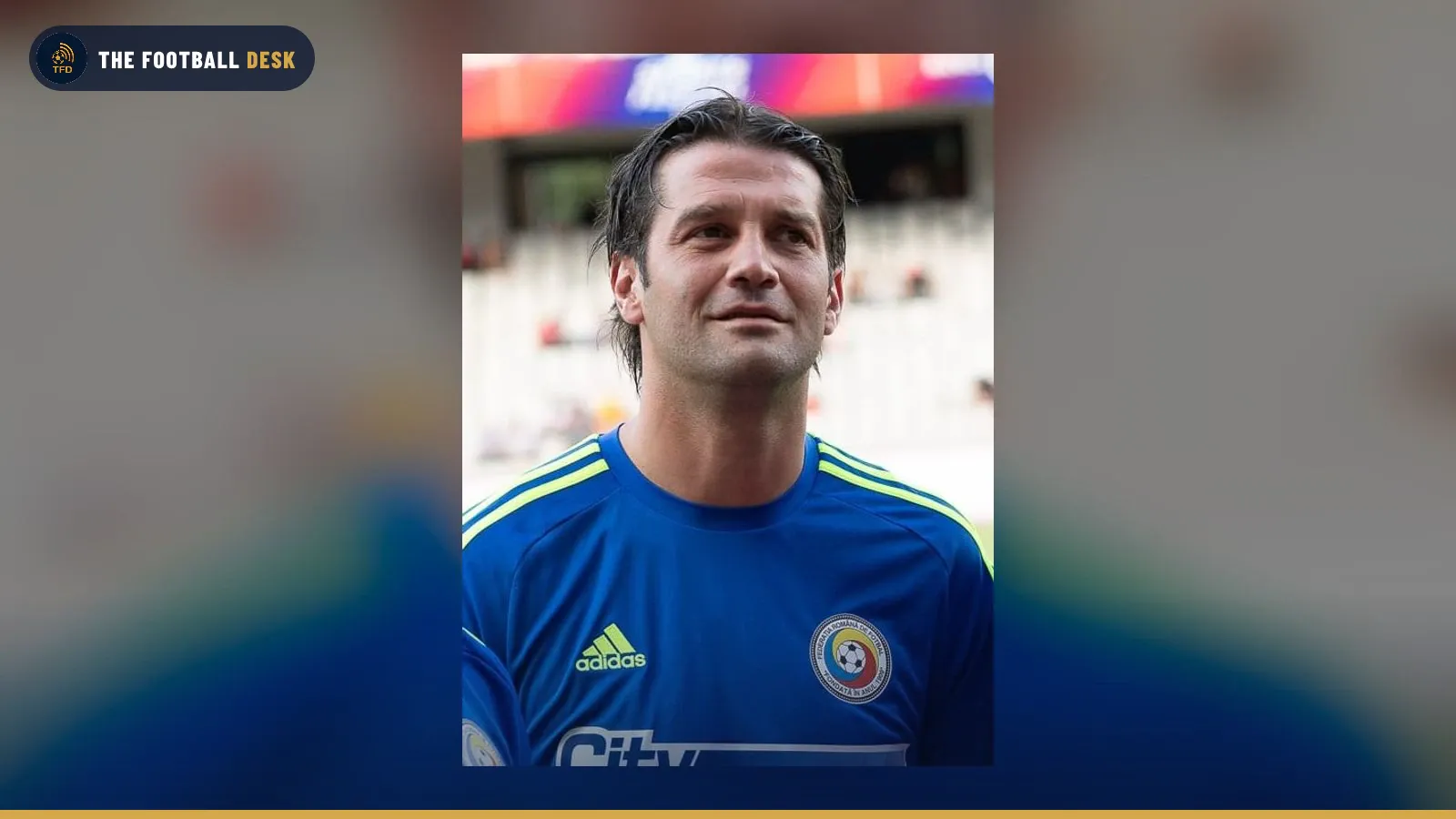
That belief is still alive. Cesc Fàbregas, who took Como into the Champions League in 2025/26 with possession-based football, is not Italian, but he chose Serie A as the place to build his coaching career. Cristian Chivu won the title at Inter in his first full season. Italy remains a place where coaches are taken seriously.
Our view
The catenaccio label should be retired. It describes one era, more than half a century ago, and ignores everything Italian football has given the game since: Sacchi’s pressing, Conte’s back three, Gasperini’s man-to-man aggression and a coaching culture that is still among the best in the world.
If you want to understand modern football, you need to understand where its ideas came from. A surprising number of them came from Italy.
Sources: UEFA on Inter 1962–67, UEFA on Arrigo Sacchi, UEFA Europa League final 2024 report.