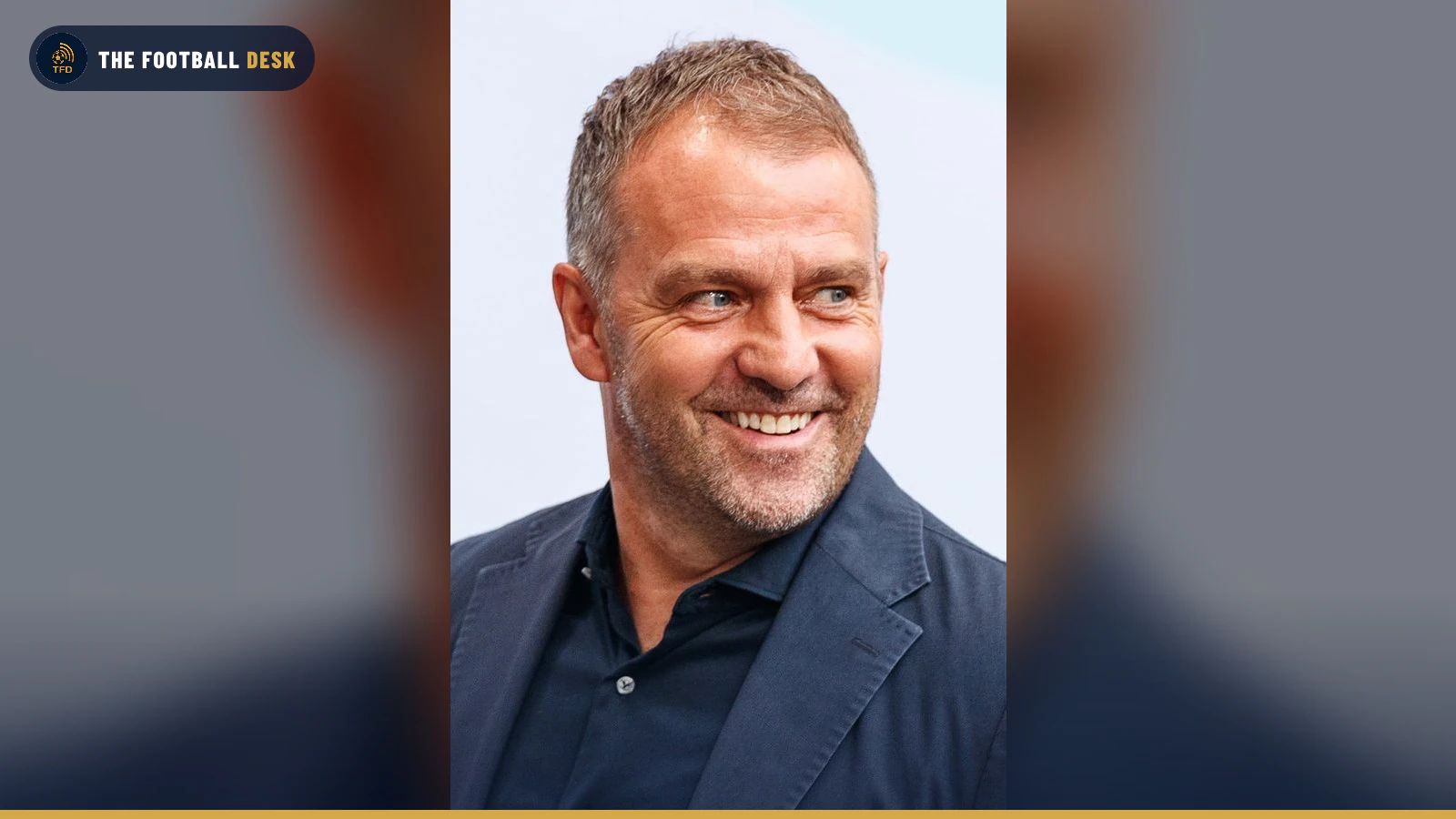

When Hansi Flick arrived at Barcelona in May 2024, Real Madrid had just won La Liga and the Champions League and were about to add Kylian Mbappé to their squad. Barcelona were in financial trouble and had just finished a season without a trophy.
Two years on, the picture has flipped. Barcelona won the 2025/26 La Liga title with 94 points, finishing 14 points ahead of Real Madrid, for the club’s 29th league championship and their second in a row under Flick. They clinched it in the best possible way, beating Real Madrid 2-0 at home on 10 May 2026, with Marcus Rashford and Ferran Torres scoring.
As the BBC noted, it was the first Clásico in almost a century to definitively decide the title. Here is how Flick’s team got there.
The numbers
Barcelona’s 2025/26 league record reads W31 D1 L6, with 95 goals scored and 36 conceded, according to the season’s records. When the title was sealed, they still had a perfect home league record and had won 11 consecutive matches.
Across all competitions, the BBC reported that Barcelona won 42 of their first 53 games, a win rate of 79%. Among teams from Europe’s big five leagues, only Bayern Munich’s 83% was better.
It was not a perfect season. Barcelona went out of the Copa del Rey in the semi-finals and lost to Atlético Madrid in the Champions League quarter-finals. But in the league they were never seriously threatened once the spring arrived.
The high line
The most distinctive feature of Flick’s Barcelona is the defensive line. It sits extremely high, sometimes close to the halfway line, and relies on an aggressive offside trap.
Opta’s analysts at The Analyst have written in detail about how unusual this approach is and how heavily it relies on the offside trap. It is a high-risk approach. If the line is mistimed by a fraction, an opponent is through on goal. But when it works, it squeezes the pitch and lets Barcelona’s midfield press high without leaving huge gaps behind them.
The approach needs defenders who are comfortable with that responsibility. Pau Cubarsí, still a teenager, has been central to it, and the BBC singled out Eric García for his versatility in filling several positions. Goalkeeper Joan García, signed in 2025, was named La Liga’s best goalkeeper for the season, which matters in a system where the keeper must act as an extra defender behind a very high line.
Intensity and directness
Barcelona’s identity used to be possession: long spells of short passes, patience and control. Flick has kept the technical quality but made the team quicker and more direct.
His teams press hard after losing the ball and try to attack quickly once they win it back. The BBC described the change as “introducing discipline, increasing the squad’s physical intensity, and restoring a more direct attacking identity.” Flick himself said on arrival that his ideas were close to those of Johan Cruyff and Pep Guardiola, but there is a clear German influence in how hard his team runs.
The players who made the difference
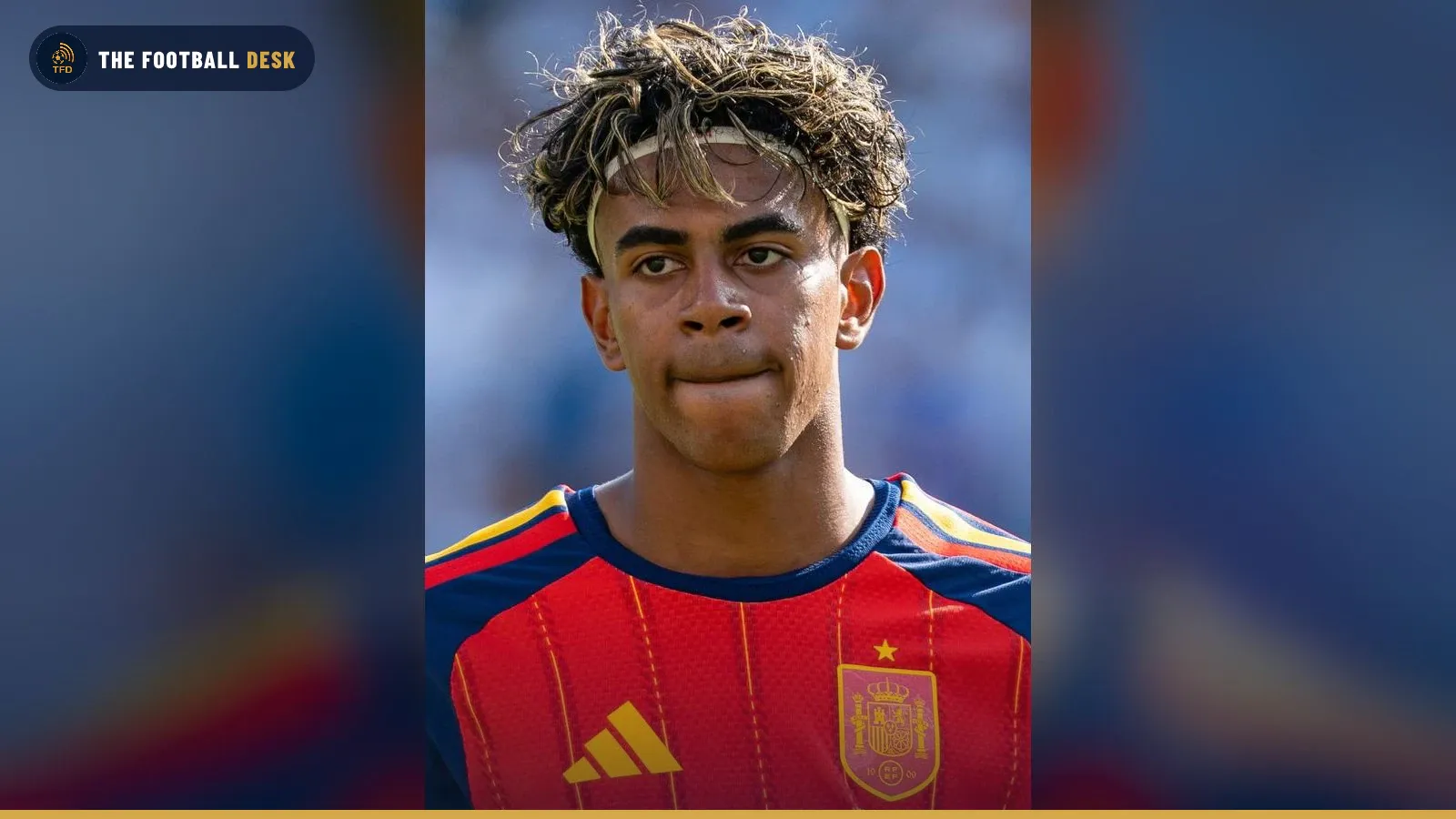
Lamine Yamal was named La Liga’s player of the season, scoring 16 league goals and providing a league-high 11 assists, according to FC Barcelona. Opponents doubled up on him all season and still struggled to stop him.
Raphinha continued his development under Flick into a more consistent and influential forward, although injuries interrupted his season. Pedri remained the heartbeat of the midfield.
Robert Lewandowski, at 37, was still decisive, although his contract situation hung over the end of the season.
Marcus Rashford, on loan from Manchester United, was not always a starter but became an important option. His free-kick opened the scoring in the title-deciding Clásico, the most important goal of his Barcelona career so far.
Ferran Torres shared the Zarra trophy with Yamal as the top Spanish scorer in the league, both on 16 goals.
Madrid’s collapse
Barcelona’s dominance was helped by turmoil at Real Madrid. Draws in November against Elche, Rayo Vallecano and Girona hurt Madrid’s challenge and Xabi Alonso’s position. Alonso left in January, after a defeat to Barcelona in the Spanish Super Cup, when Madrid were only four points behind in the league.
Under his successor Álvaro Arbeloa, the gap widened. Madrid finished second on 86 points and ended a second consecutive season without a major trophy.
Mbappé still finished as La Liga’s top scorer with 25 goals. That says a lot about Madrid’s season: elite individual talent, without a structure that worked consistently.
Our view: what makes this team special
Flick’s Barcelona is not a copy of Guardiola’s great team. It is faster, riskier and more vertical. What it shares with that side is a core of academy players who understand the club’s football from childhood: Yamal, Cubarsí, Fermín López and others. That gives Barcelona something money cannot buy.
The weakness is still Europe. Two seasons of domestic dominance have ended with Champions League exits, and the high line has been exposed at times by the very best opponents. That is the challenge for Flick this season. In Spain, his team is the standard. The next step is to prove it on the bigger stage.
Sources: BBC Sport, FC Barcelona, The Analyst (Opta), 2025/26 La Liga season records.